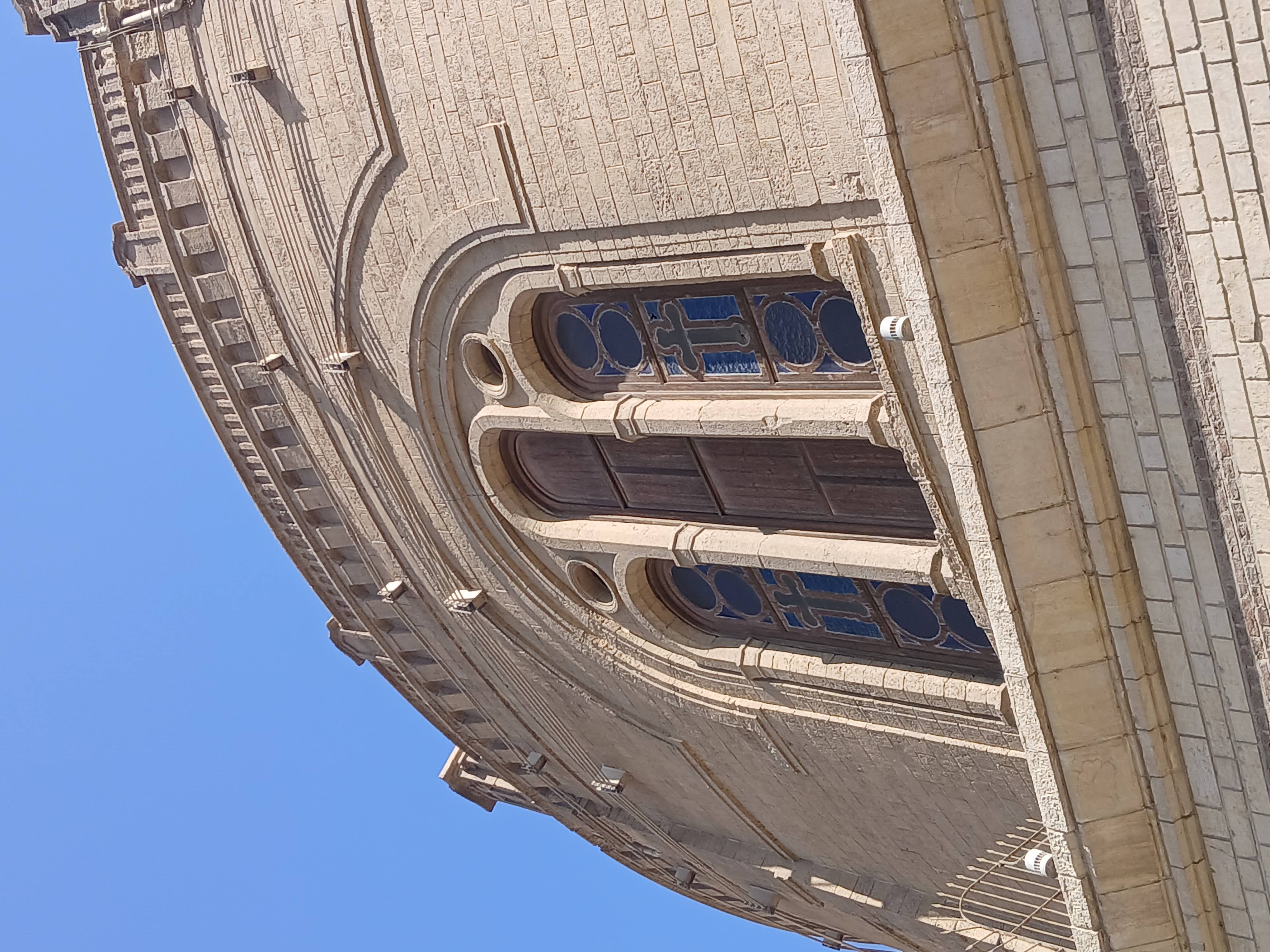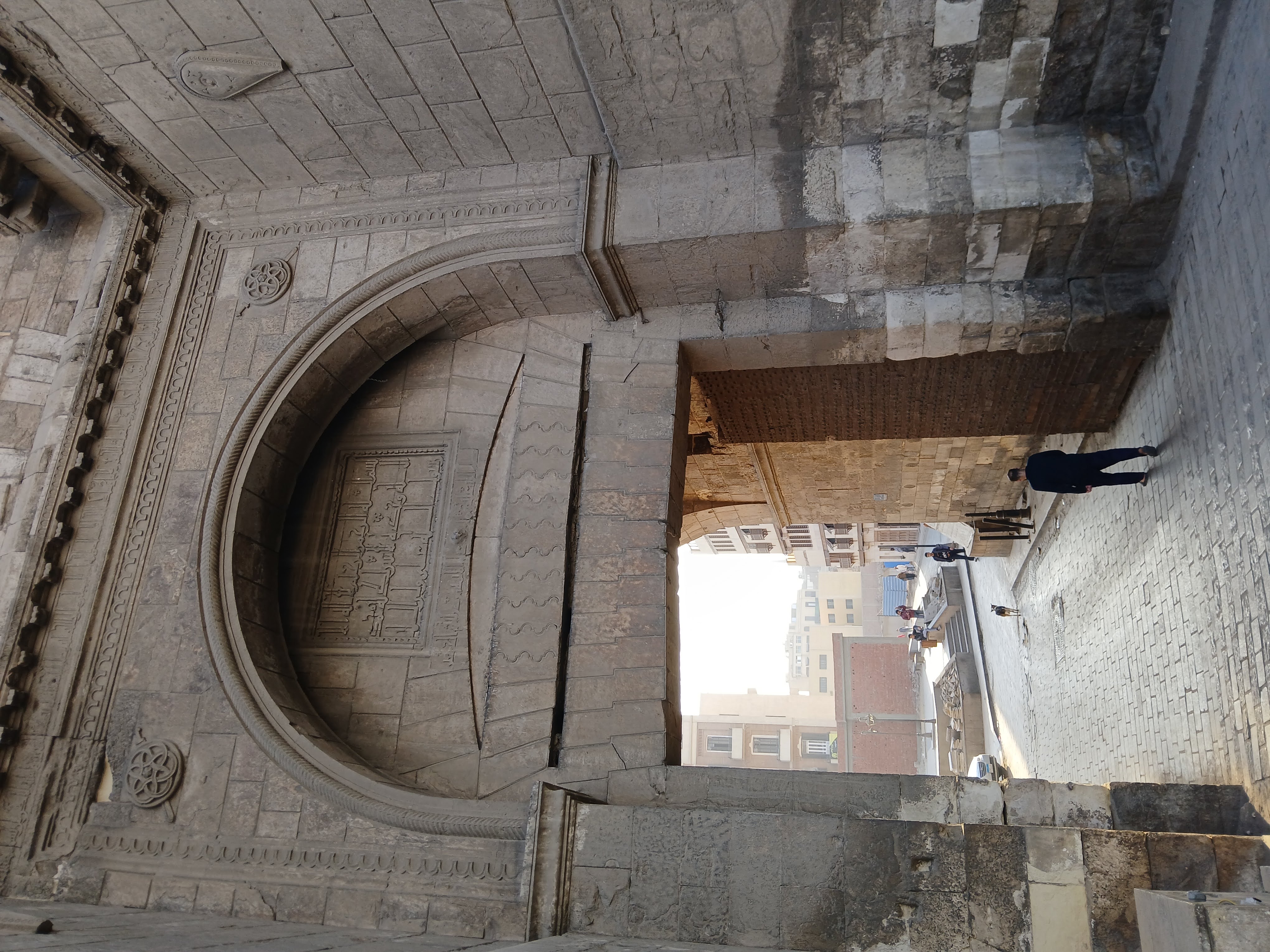
Cairo, a city living its history.
I want to preface this by saying I am not a historian or an authority on these topics by any means so please feel free to take my words with many grains of salt. I am simply writing this as someone who has visited Cairo recently and found it so deeply fascinating, the way it exists as layers upon layers of history and story baked into it.
Now I'm not actually here to talk about the pyramids or anything from that time period even though thats what Egypt is most famous for. I'm writing about the city of Cairo as it formed from originally being Fustat, a city made and remade by the civilisations that came through it.
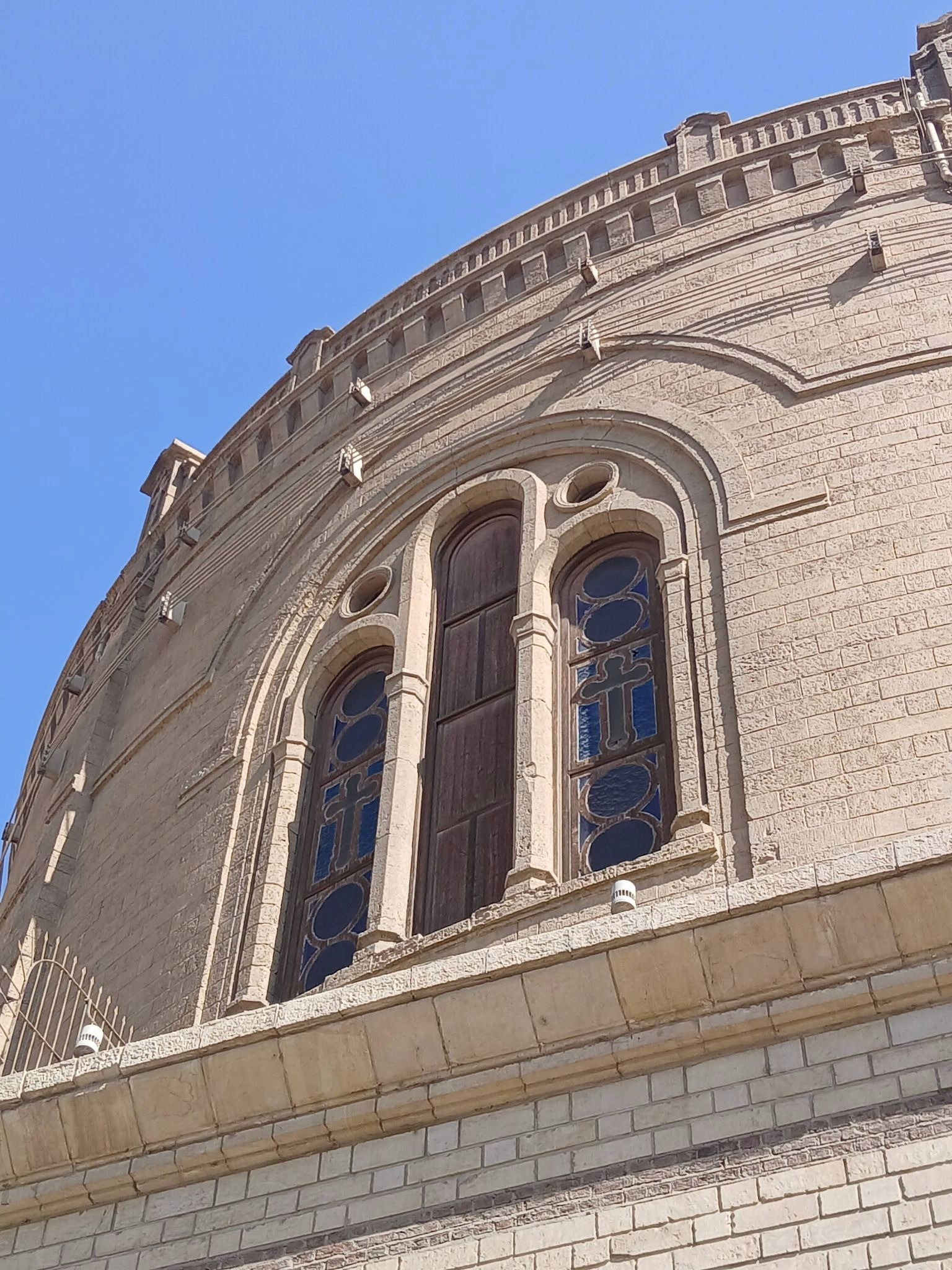
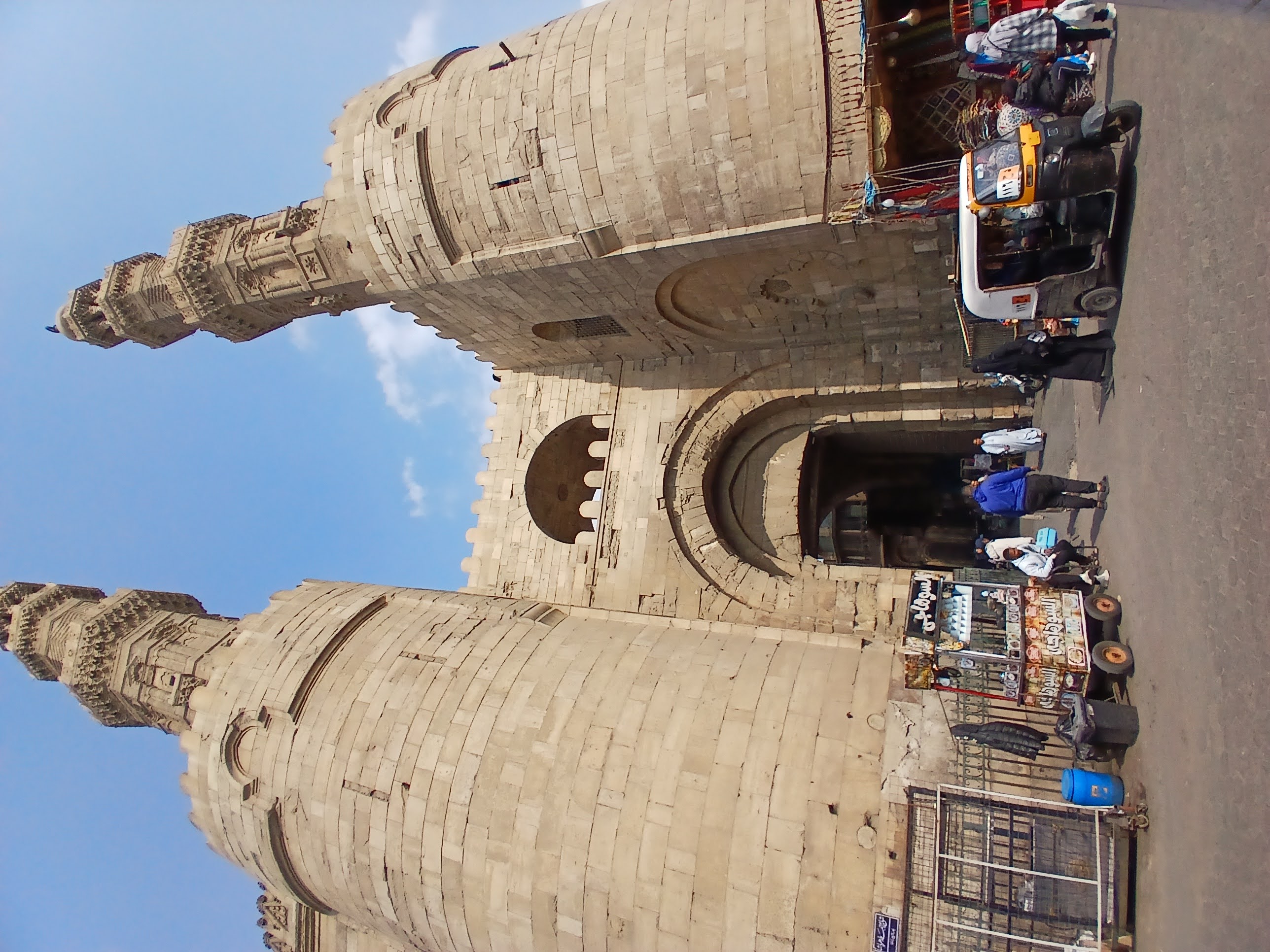
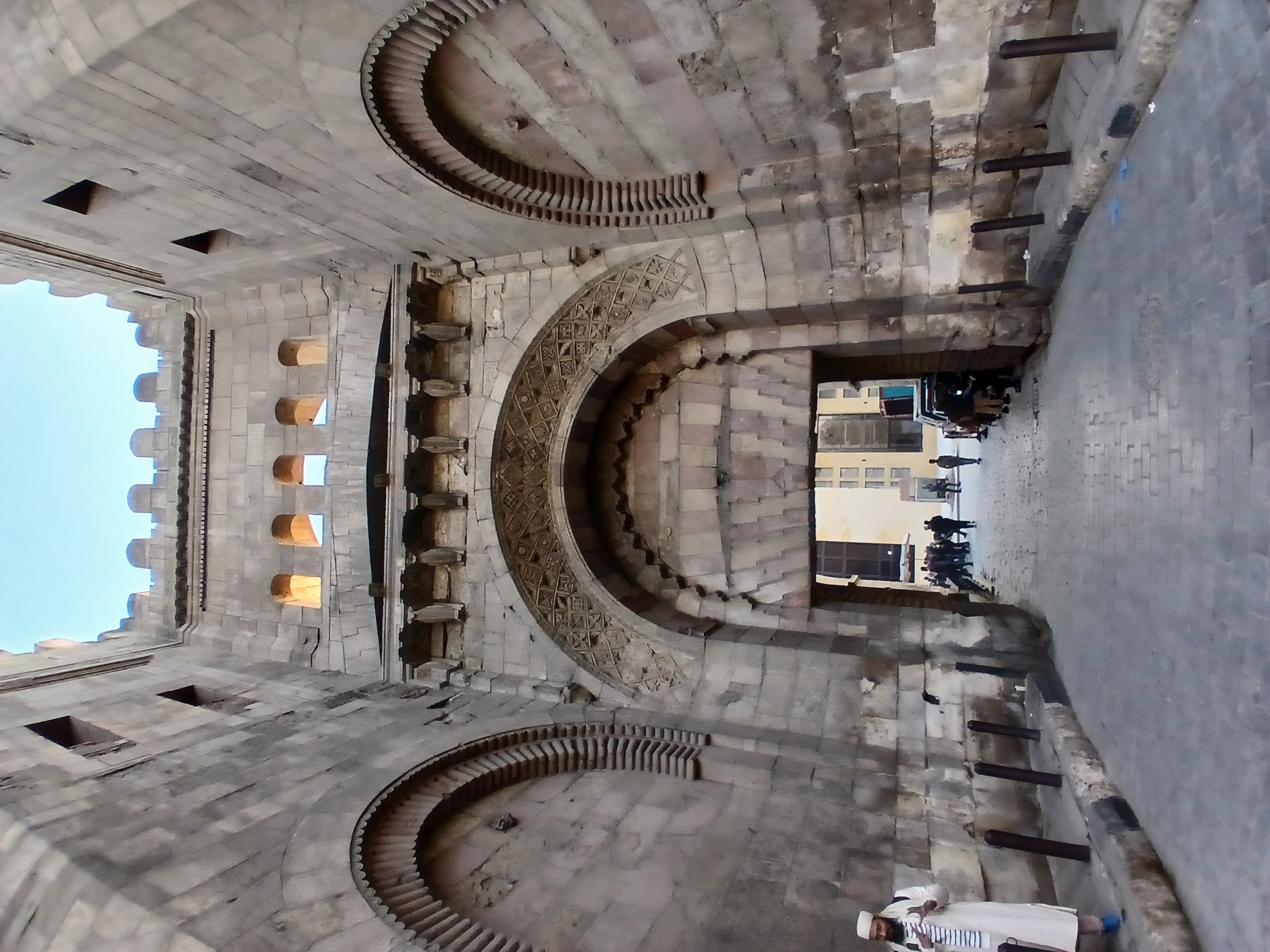
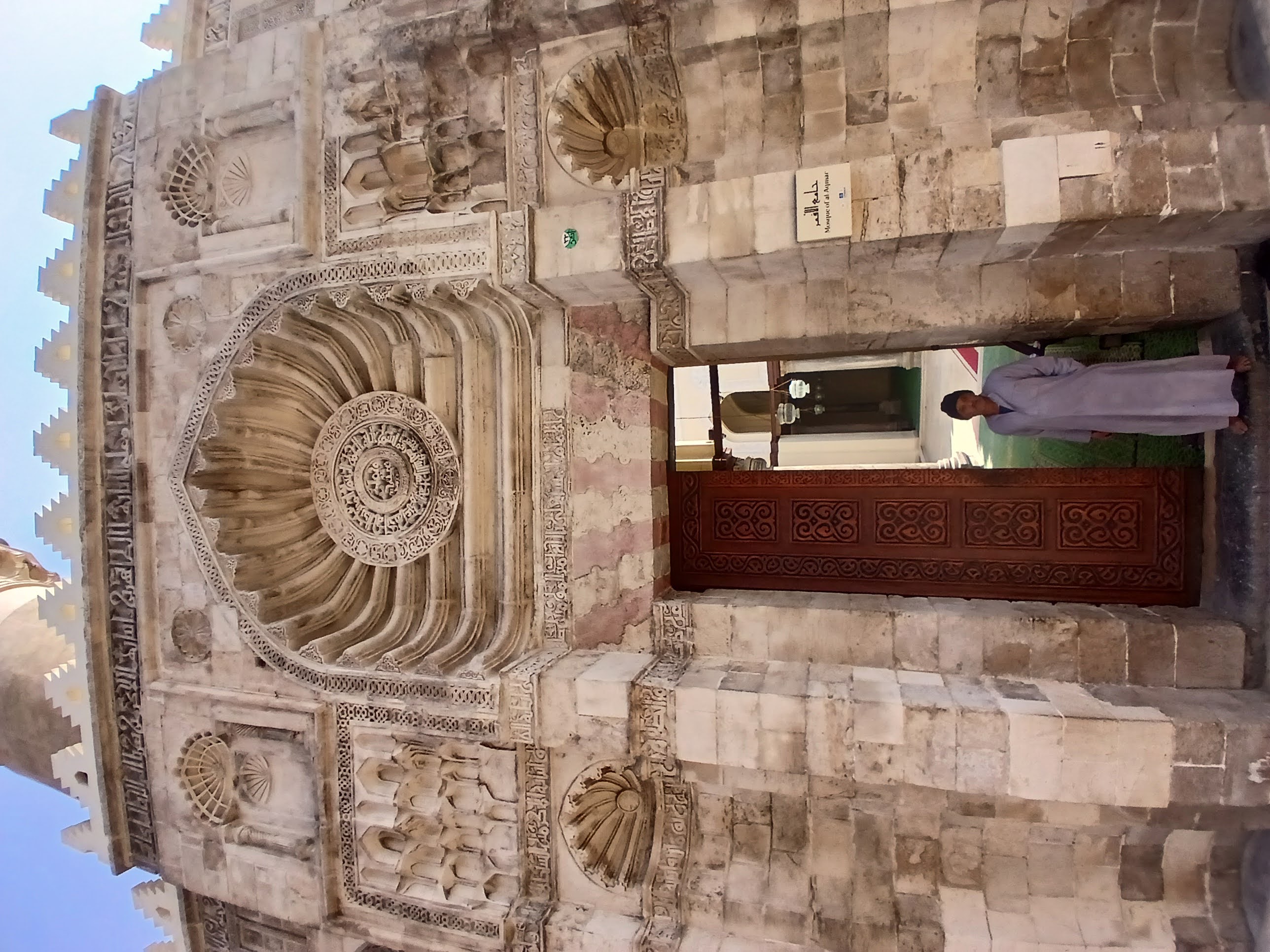
Cairo in the Fatemid (Al Moiziyat-ul-Qahira) era was built as the royal city where the Imam, his family and other important people would reside. The way the city is built and the care and thought that has gone through its planning is so interesting to see. The city has 3 major gates (Baabs) that still survive: Baab Zuweila, Baab Futuh, Baab Nasr. As gates of the royal city they all have military architecture based through them, but the functionality of it did not mean it was not adorned with incredibly carved kufic script and symbols of the empire that it guarded.
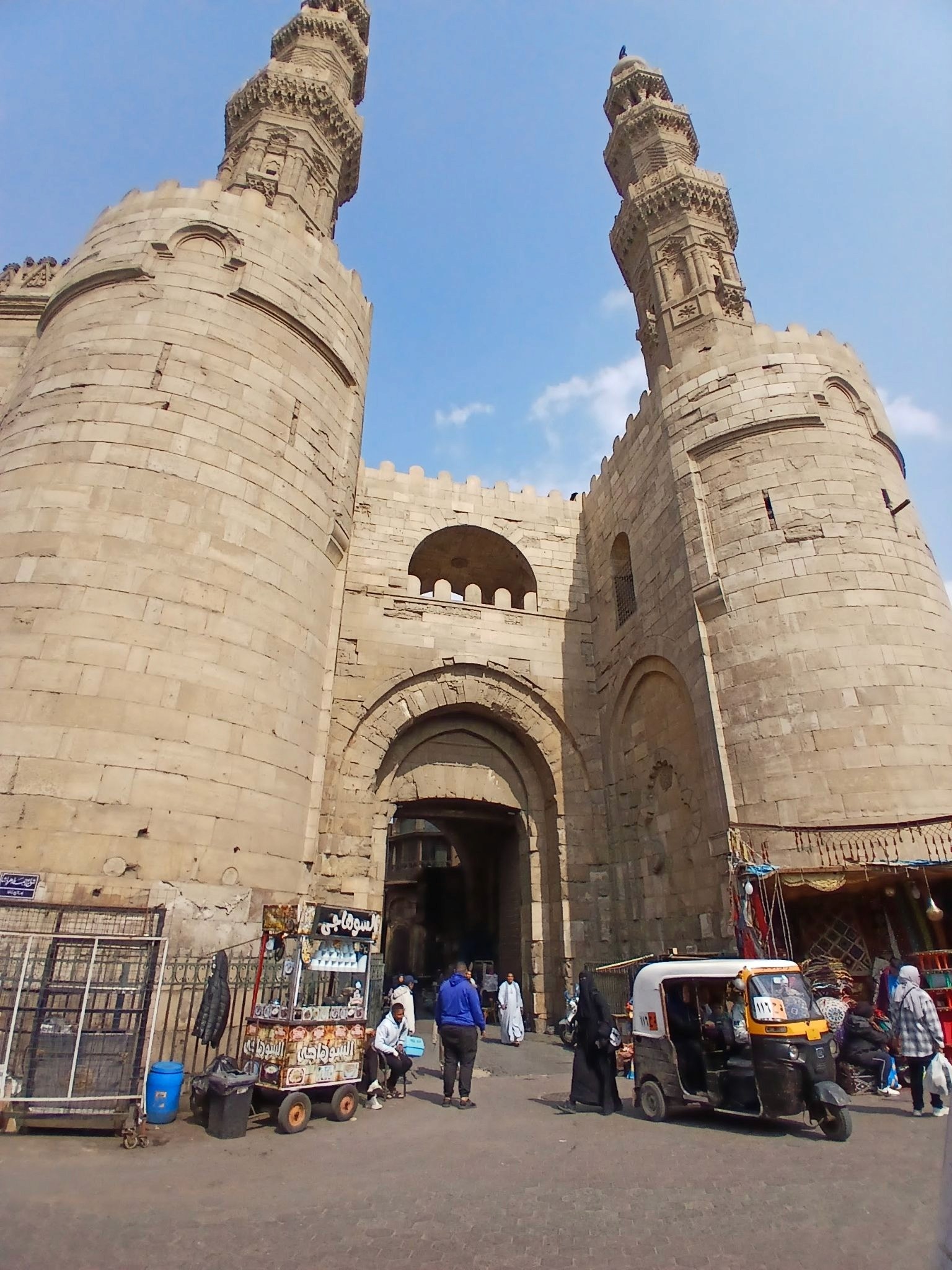
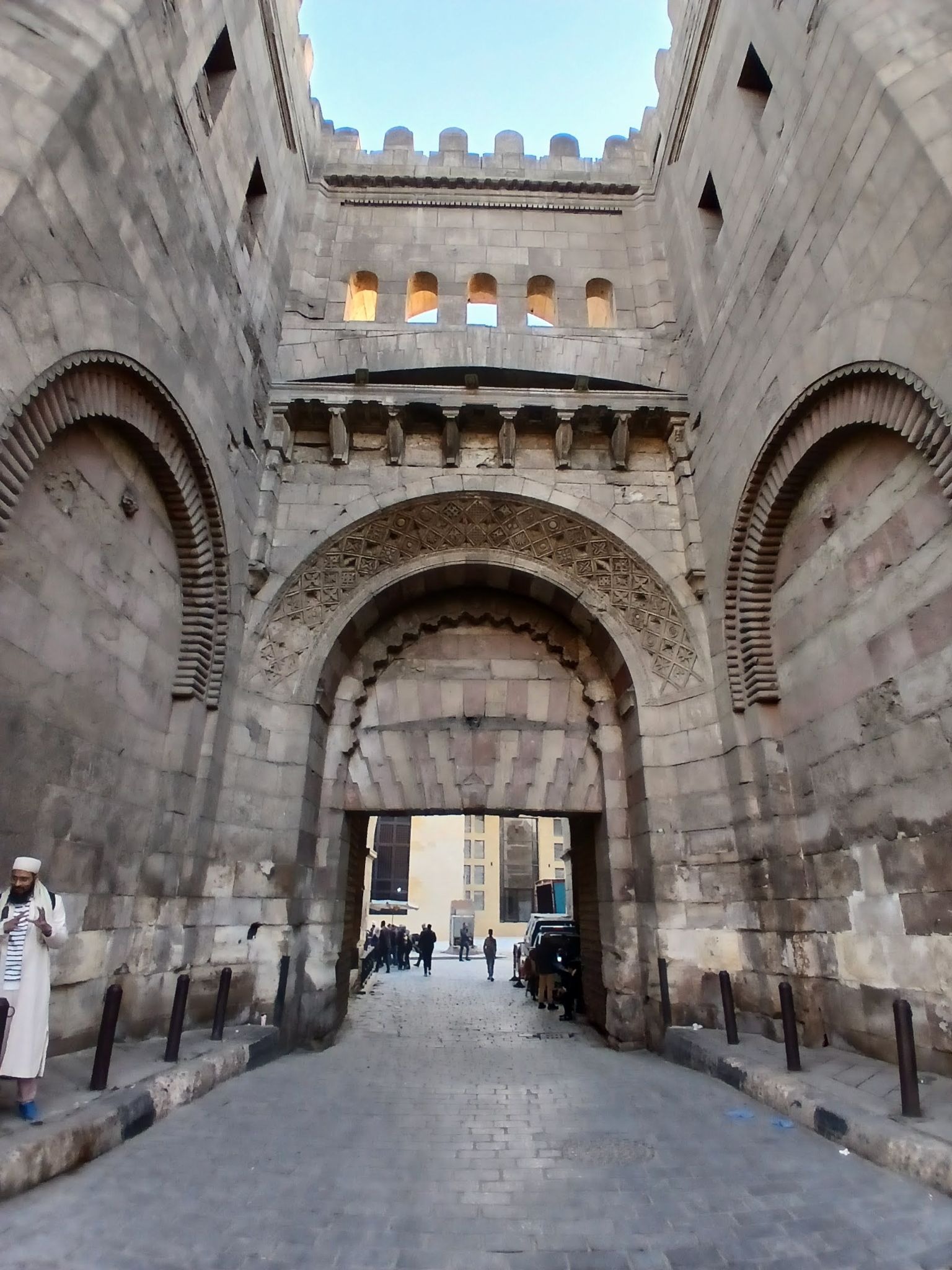
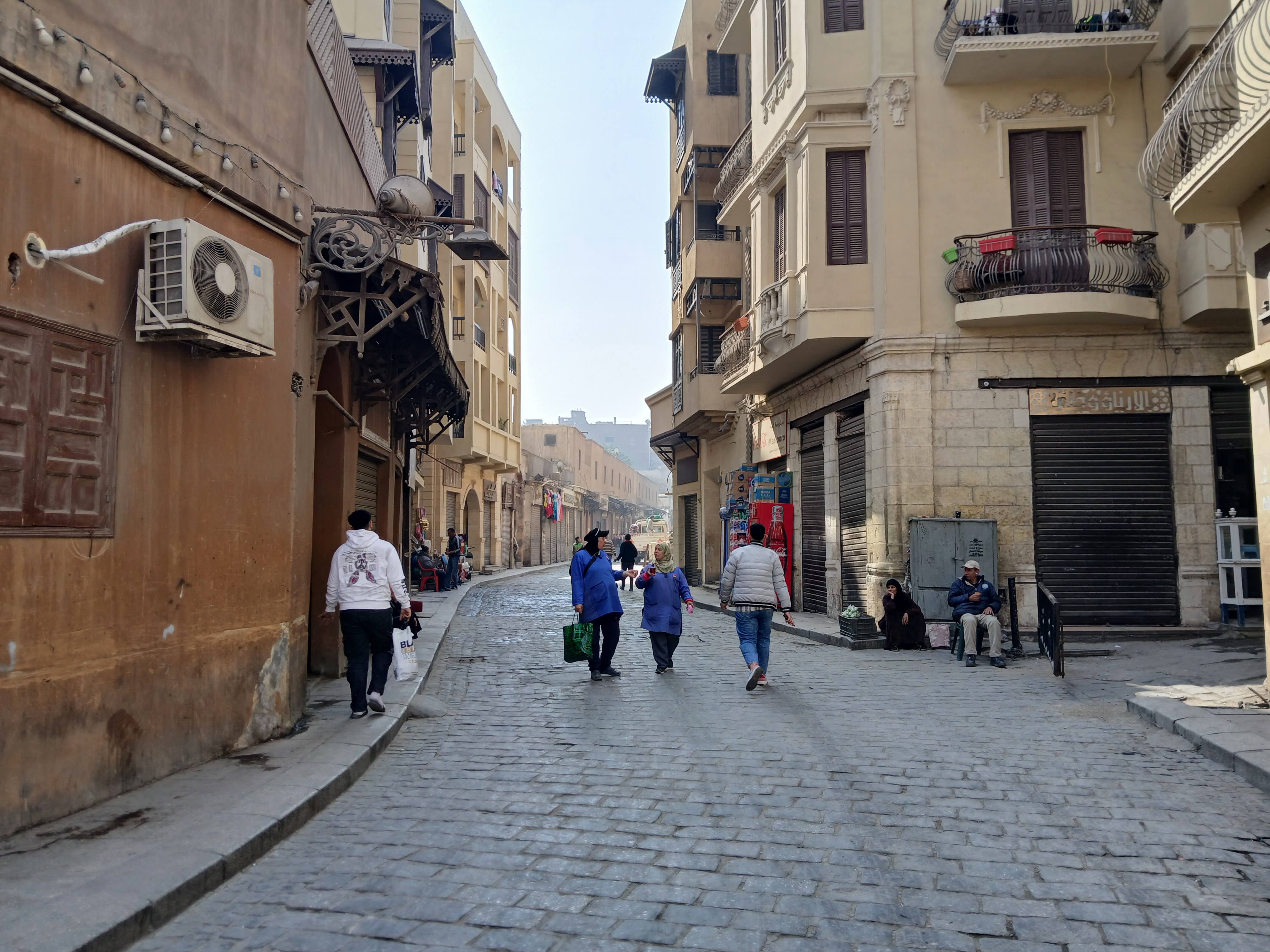
What's fascinating is the main road that connected the main gates of Baab Zuweila and Baab Futuh Shara-e-Moiz was built at an angle where travellers would have to face the least amount of harsh sunlight of the midday sun. The street was said to be wide enough for many horses to march side by side which they in fact did in the processions where the Imam would come out adorned with gold and jewels and clothes that shone of the empire's wealth and success. Today despite the street being much narrower, and higher people like me can still walk along the historic route and imagine how the city must have shone in its golden age. Curtains and tapestries hanging from the royal palace, markets hustling and bustling, stories being traded in the Hammams (bath houses) and lives being lived
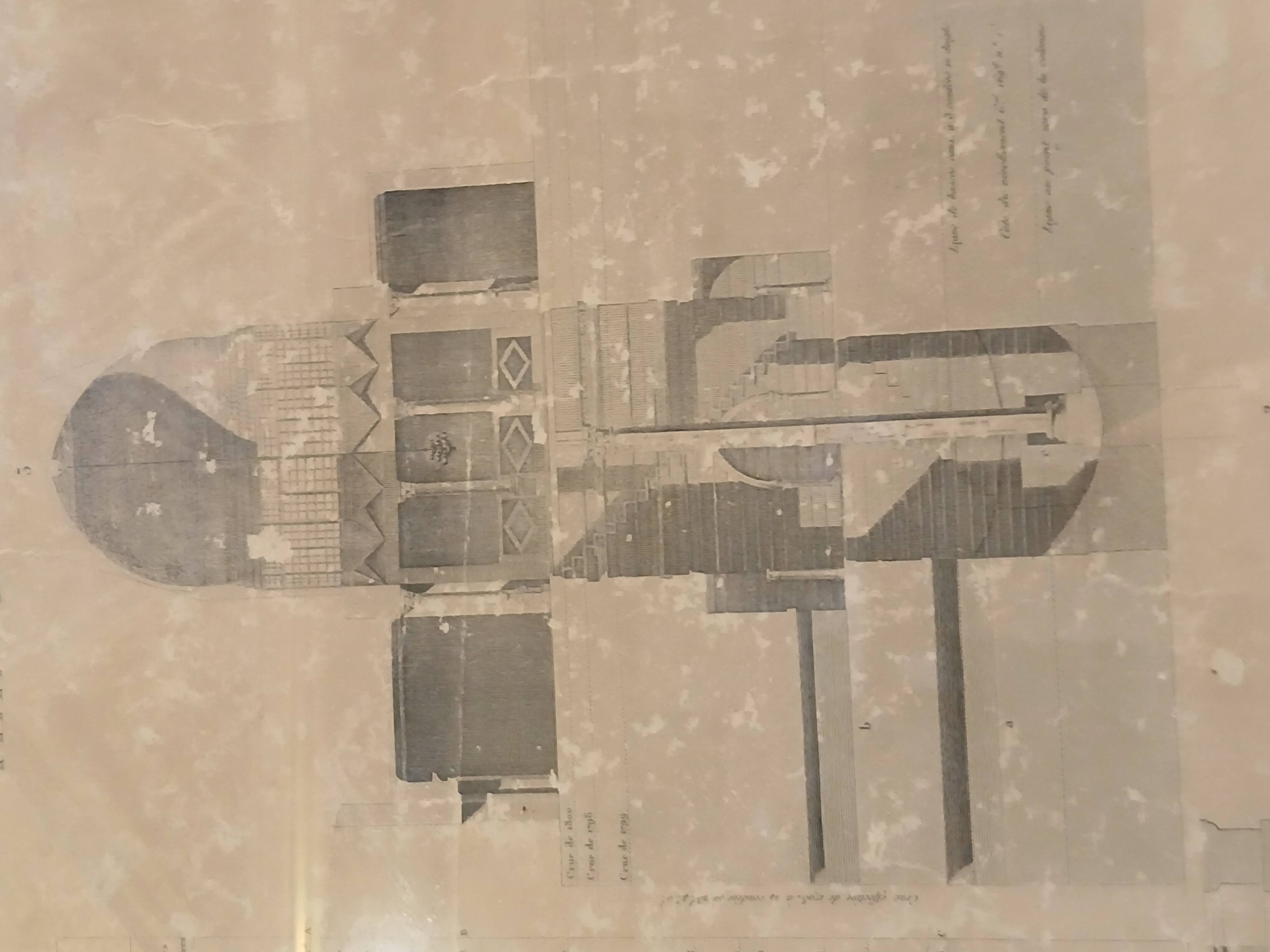
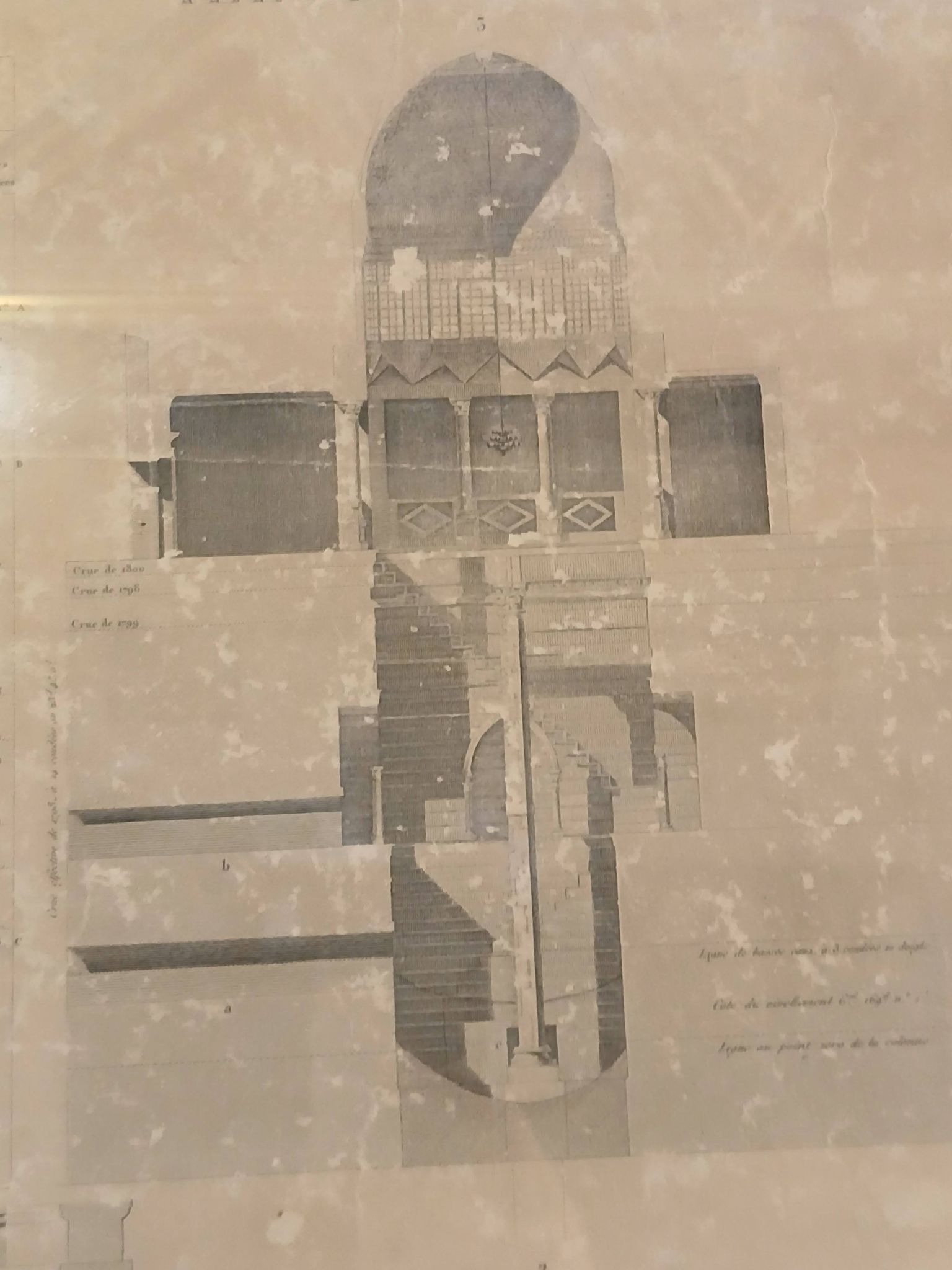
Another fascinating design detail I found was in the Nilotmeter, an old column descending deep down used to measure the inundation of the nile. The responsibility to check the water level each year was passed through families appointed by the imam, based on the water levels of the Nile indicating drought, floods or bountiful harvests the taxation of the farmers would be set. The festival of the Nile was an important one and the imam would make the journey from his palace to the Nilometer in a special boat while the people watched.
The way thought was allowed to flourish in a city that flourishes is also evident, so many advances in science and medicine were made during that time, one of my findings was the Tibya Al foqorat (medicine for the poor) which was a book written full of remedies and treatments people could administer at home for those who couldn't make it to hospitals. Its such an attention to detail over who resides in the city and how systems are built and put in place for them. How lovely to have an easy to understand book of how to treat illnesses in an accessible form.
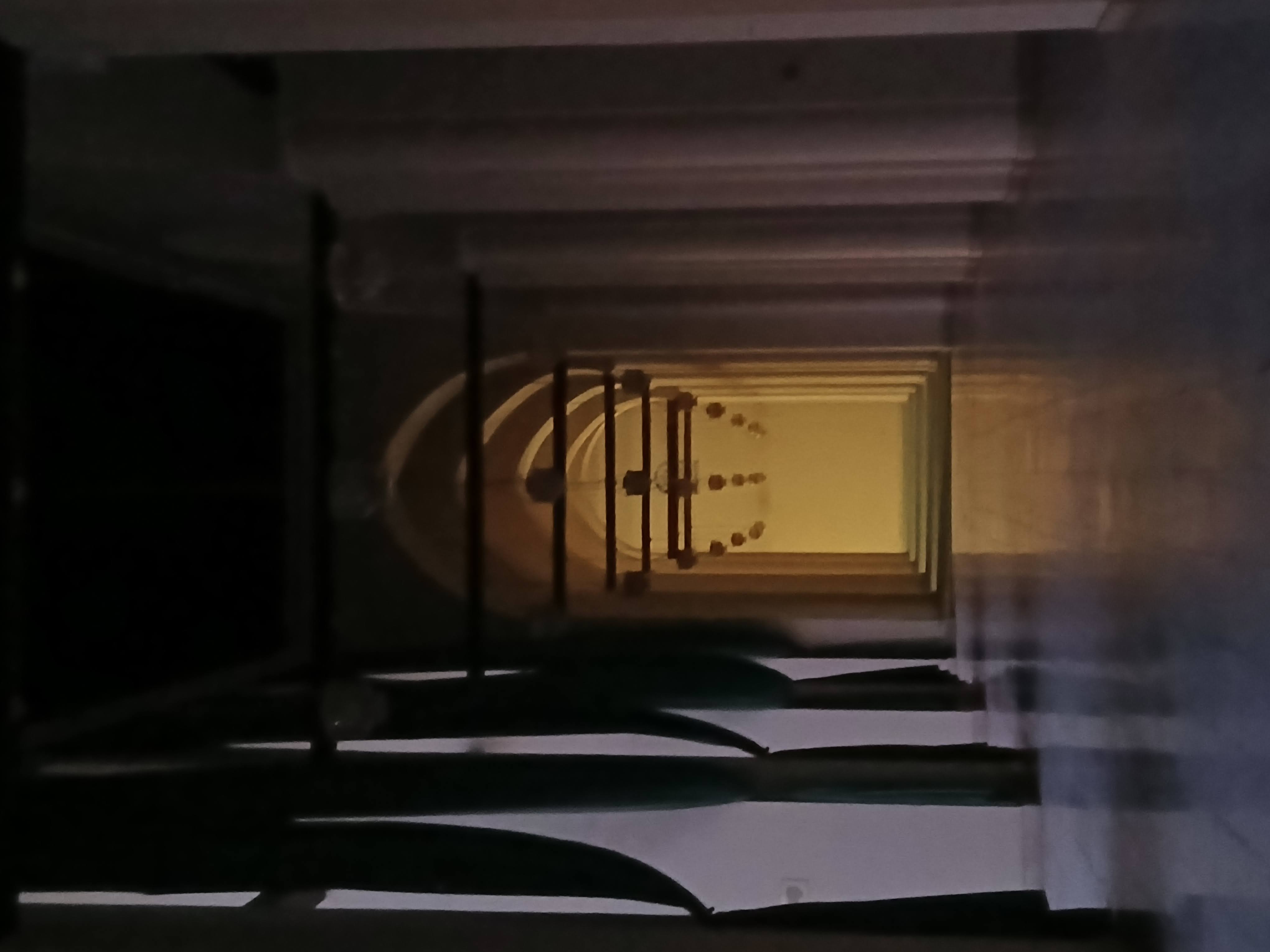
Cairo doesn't just have history about it in books, these masjids and spaces that were built decades ago are still functional and thriving. People still go to pray to them everyday in a city that breathes its history with every sunrise and every sunset.
There's so much to say about Cairo that I haven't said in this article yet, but hopefully ill keep adding to this as a repository, but if anyone wants to chat about all the deeply fascinating stories about the city of a thousand minarets feel free to reach out!