How Healthcare Needs Design
A conversation about the intersection of healthcare and design and how designers need to work hand in hand with healthcare workers.
Design Research
UX & Testing
Workshop Design
Following is a conversation with Erasmus Scholar Beenish Sarfaraz about the value and need for Designers to work with healthcare practitioners and what that intersection looks like.
Every hospital should have fruit trees. Like why don't we have fruit trees? You're sad. You go outside. There is an orange tree.
You grab an orange. You have vitamin C in your body. And that's great. Like there's such big trees. I love how Aga khan is made as a hospital. It's so pretty.
But there are no fruit trees. And there's so many people who come from, you know, other parts of the city for healing. And then after they go get bad cafeteria food, which probably is not so bad, but it's not the most healthy. So I think there should be free fruit trees inside hospitals. so I'm thinking how we can use design to kind of support care systems. I think in people's heads, design and health systems are two vastly different things.
I think most people don't even know how to connect them in their heads. So maybe you can give some insight into the relation between those two.
Okay, so when I think about design more than just beauty, I also think about ease. It is a way to create more ease in this world.
I give this example like I'm going to give it again. A doctor will tell you to take medication. Right.
You're a patient. You go to a doctor and they'll tell you, okay, take this medication Monday to Friday, it'll help you or whatever. Now there is a possibility, the very big possibility that you will forget, you will skip, you will not be able to take the medication, so on and so forth. But the doctor's job at the moment is done. They prescribed you something that will help you, but you don't do it. Now, this is where the designer comes in.
What they do is they study the person who is going, who is taking their medication and see what is causing them to not take that medication.
I want to share an example from someone in my class who made a really cool design project, and she's still working on it at the moment. Ale. So what they did was Ale e, they made a medicine box look like a home because it was for patients, elderly patients. And then they want to remind them of this idea of home, that their body is a home, and then they put medicines in it.
It was for patients who are older, already going through dementia. So it was a great way for them to remember what medication to take.
There's so many human stories that are also existing in healthcare, because whenever you think of healthcare, you think of a number. And then big, big pharma names, all these medicines, but there's so many human stories when you think about healthcare. I think that's also one of the tasks of design healthcare is to bring these stories forward and talk about them.
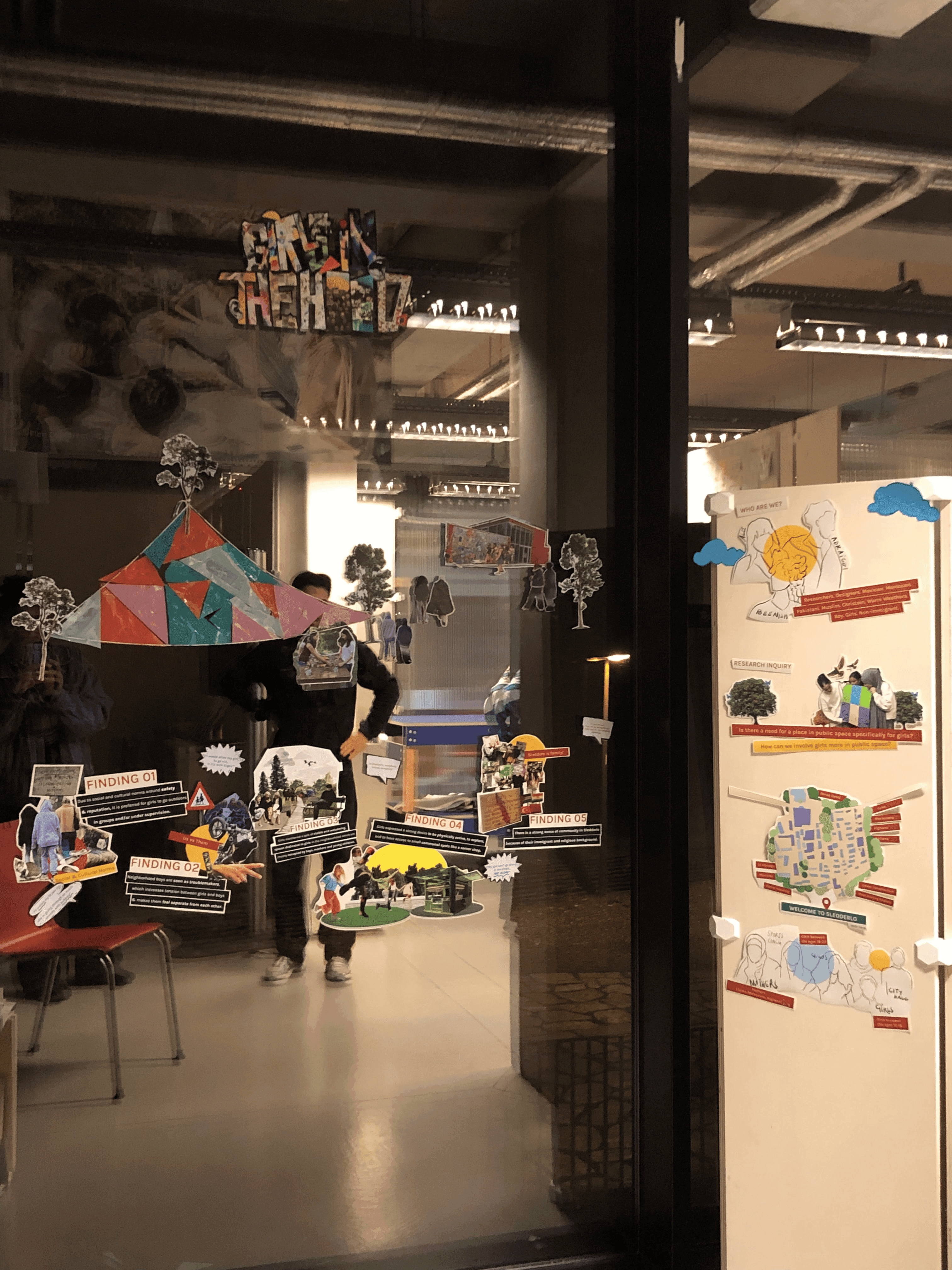
So in one of the semesters, we were working with a group of nurses, and what they did was basically they were, on call nurses. And for example, there's somebody at home, an elderly or a patient who requires home care. And these nurses would go to them and they would carry a lot of things that they need to be able to provide support going in to help. Right. So they would want to be in a state where they seemed comfortable to provide their help.
But when we evaluated, I was working with another friend. We're giving this task to, kind of, redesign their bag. It was like a bicycle bag, and a really heavy bag. So when we started looking at that problem and we're thinking, how can we make it easier for them to be able to provide care? Because when you get to someone who is in pain, and you're sweaty and tired, how can you go in with a happy, cheery face like, oh, I'm here to help you.
And I would just be so exhausted. So in that way, my friend and I sat down and rather than just thinking about how can a bag be re designed, because that was a problem that came to us, we thought about making an entirely new uniform for them, which could have like tiny pockets and things where they could keep some things which could, which would make it more hands on for them to be able to provide care rather than carrying a bunch of bags, entering a space with, you know, a lot more exhaustion.
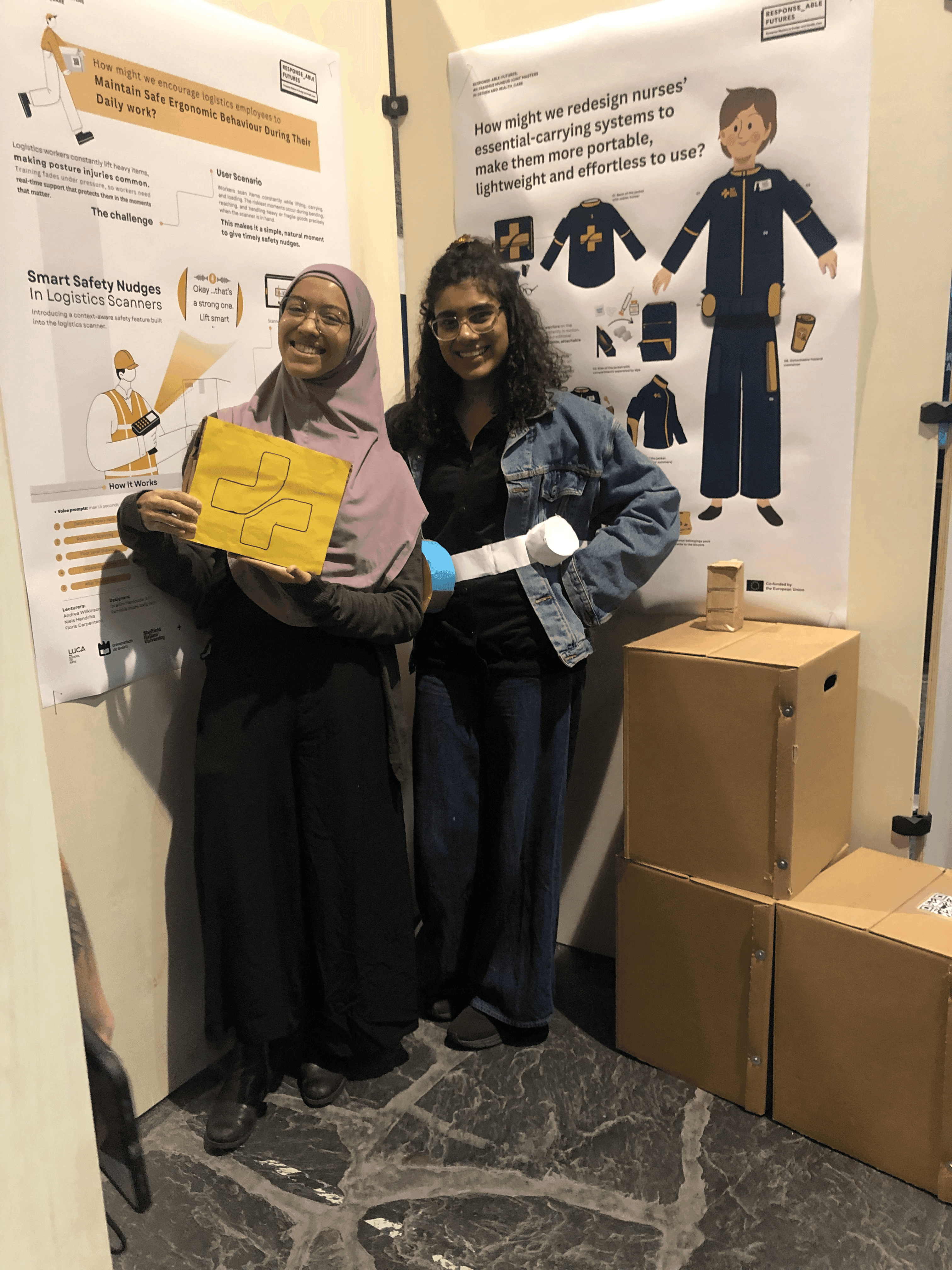
So I think that's the first example that's come to my mind, in which we start to think about how design can be used to create more ease for the care providers.
One thing you want to say to care and health care workers, and one thing you want to say to designers.
I think I want to tell them to be more fearless in the way they approach design and healthcare. And the reason I say this is because healthcare and design lets you know how healthcare works. You know, when I say healthcare, there's a very specific visual that comes to your head as designers or as me, I have this idea that I want to fall back on that, but really break free from that and really show how healthcare and design can look like and genuinely innovate, innovate and be like, okay, what would that look like? So I think that would be my message for designers that really like to push whatever, you know, about healthcare and design and really go beyond that and then explore what could come out.
Check Out Our Services
OUR WORK
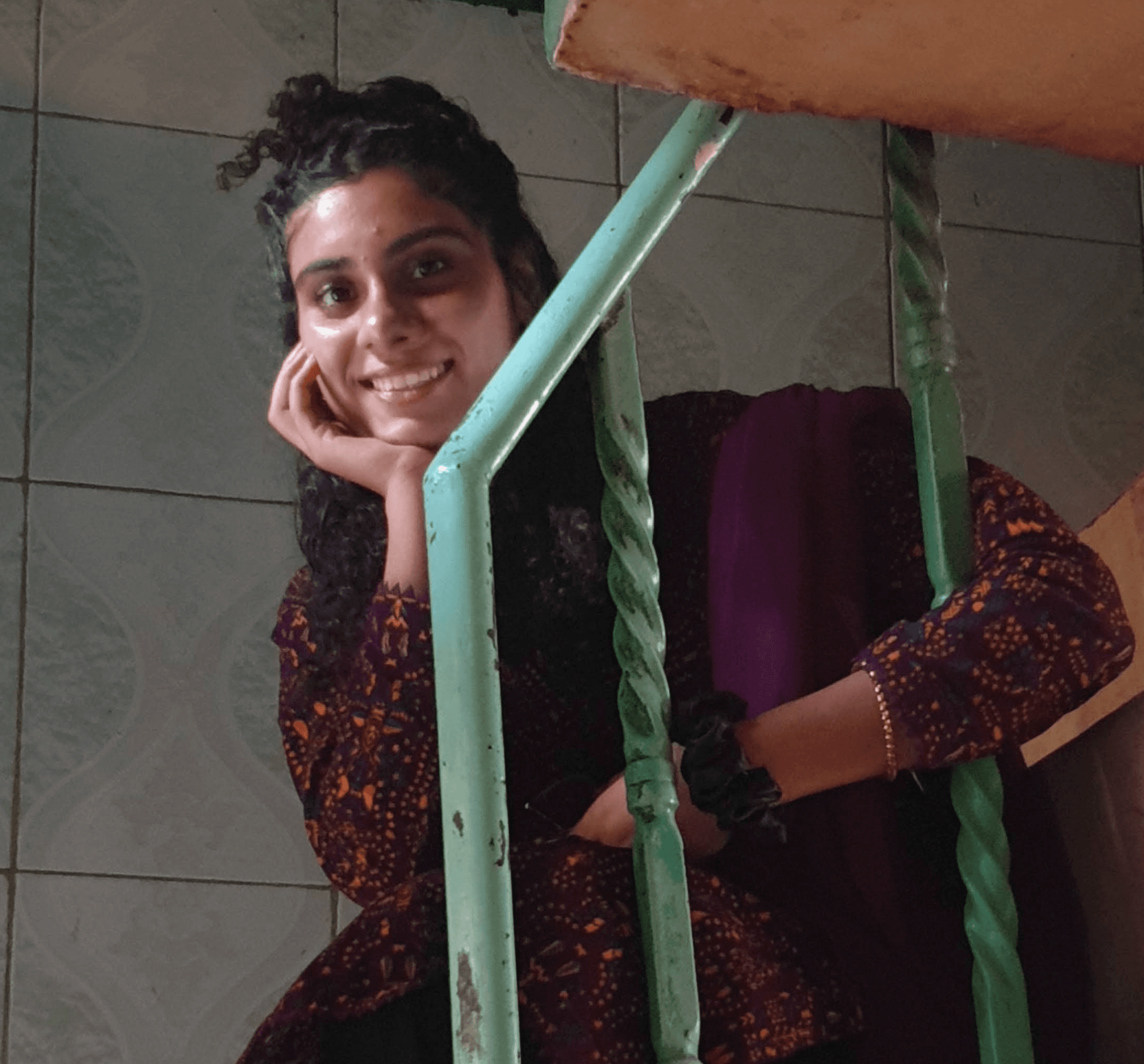
Beenish Sarfaraz
I'm Beenish Sarfaraz, a designer and researcher from Karachi, Pakistan. I'm currently pursuing my Master's in Healthcare and Design where I'm learning to put my skills to make people's lives softer, warmer and more kind.